
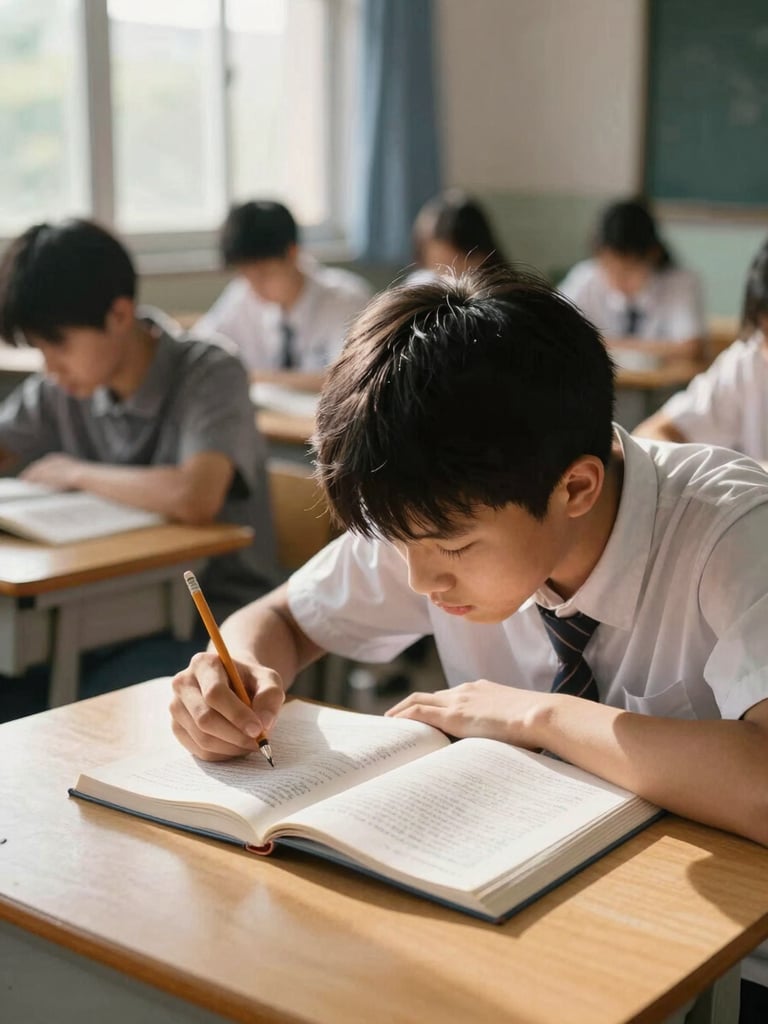
Rigorous academics and daily balance — by design.
Every student here is known by name. Our structured, evidence-based model treats academic depth and student wellbeing as two sides of the same plan.
Our curriculum is built on sequenced, evidence-backed instruction — students master foundational skills before building on them. Class sizes stay small so teachers can track each child's progress in real time, not at report card time.
Structure that serves the whole student.
Wellbeing isn't a separate program. It's scheduled into the day alongside reading and math — because a student who feels settled learns more, and we can measure that.
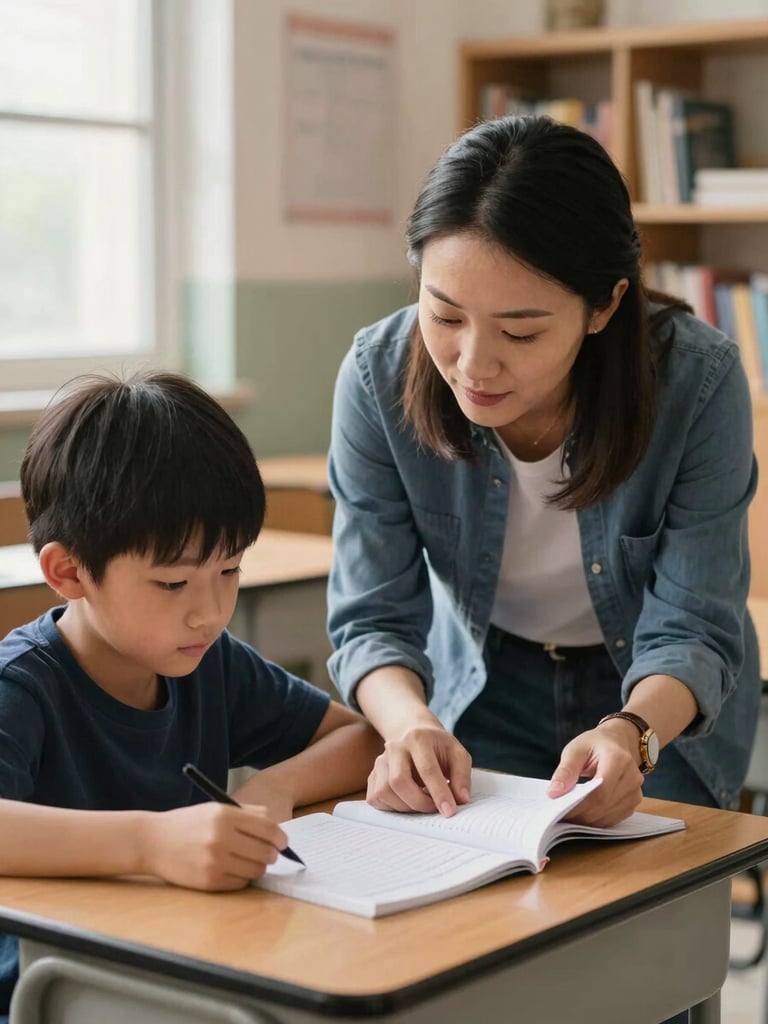
Teachers who answer directly.
Our teachers communicate with families on a first-name basis. No scripted newsletters — regular two-way conversations about your child's specific progress, questions, and next steps.
Average class size: 18 students. Every teacher knows every student's name, learning pace, and what motivates them — by October.
Reading, reasoning, and time to think.
Core Academics
Arts & Projects
Outdoor & Reflection
Scheduled outdoor time and quiet reflection periods aren't extras — they're part of the instructional model, building the focus and resilience students carry into the next lesson.
Afternoons rotate between visual arts, hands-on project work, and collaborative problem-solving — disciplines that reinforce, not interrupt, core learning.
Structured literacy, math, and science blocks in the morning — when focus is highest and instruction can go deep.
The best way to understand what happens here is to walk through it. Campus tours run weekday mornings — bring your questions, and we'll answer them directly.